PSHE and RSHE
At Hazelwood Schools, we believe in developing well rounded children who are equipped with the knowledge, understanding and confidence to enable them to play an active role in society.
We recognise the importance of Personal, Social, Health and Economic (PSHE) education and the role it plays in ensuring our children are healthy, independent, and responsible individuals who are prepared for life beyond our school
Our aim is to develop children fully as:
- Individuals as they focus on their own personal development; believing in themselves, building resilience, developing habits to lead a healthy life.
- Members of families and social communities; understanding how to relate to others and adopt teamwork skills
- Members of economic communities; developing their awareness of the part that they play and how to live responsibly.
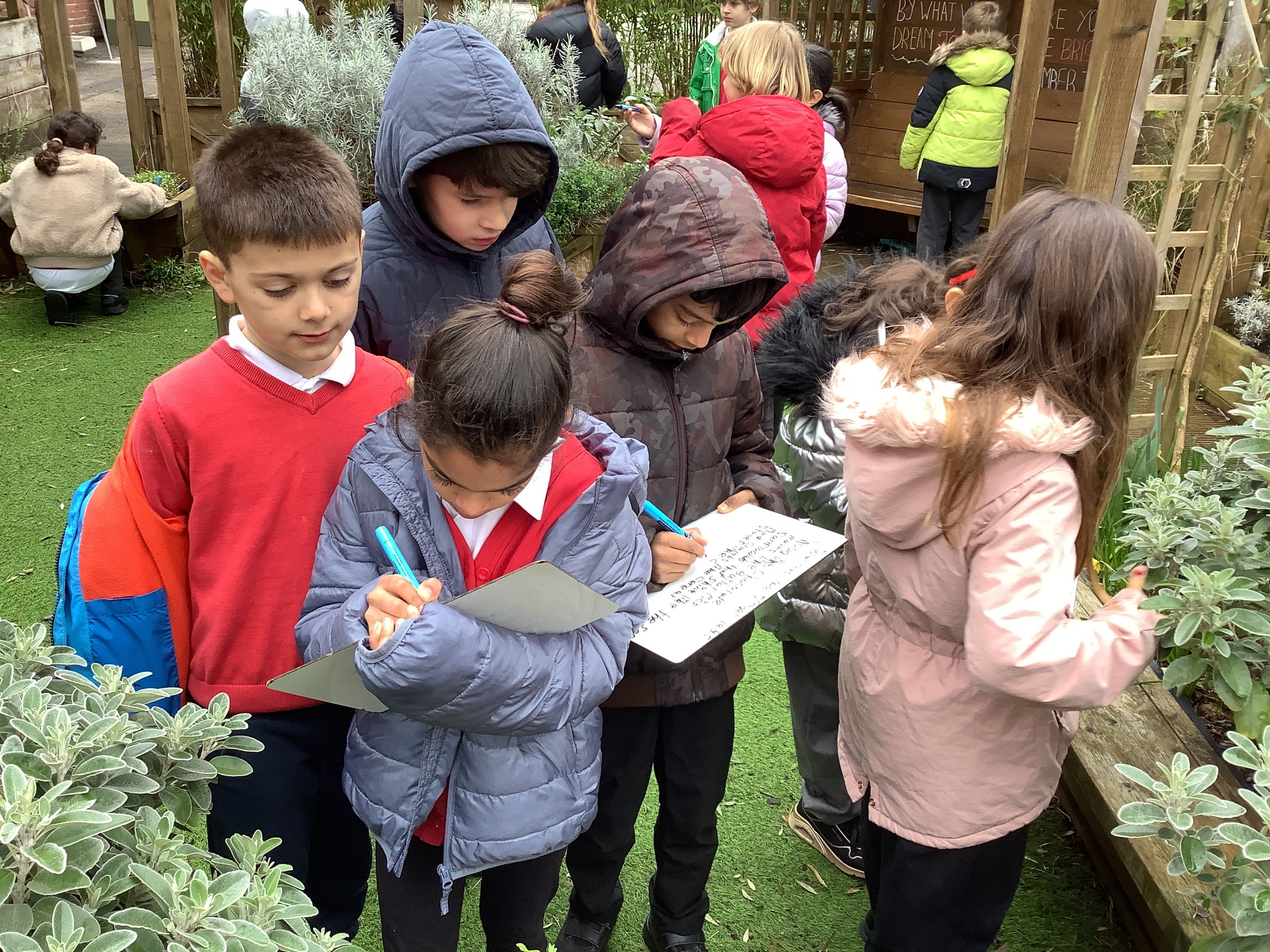
Our curriculum builds upon the children’s first stages of learning and development in Early Years through progressive and sequenced topics that develop the knowledge, skills and attributes children need to manage their lives, now and in the future.
Our curriculum is guided by a Primary Scheme of  Work called SCARF – Safety, Caring, Achievement, Resilience, Friendship (Coram Life Education). Developed by teachers and centred on a values-based and ‘Growth Mindset’ approach, SCARF’s lesson plans and resources, tailored by our teachers to meet the individual needs of our children at Hazelwood, help to promote positive behaviour, mental health, wellbeing, resilience and achievement.
Lessons are to be taught at least weekly as well as when teachers may feel it necessary to teach as a result of an issue that has arisen in their own class or within local / national news.
SCARF lesson plans are organised around the PSHE  Association’s Programmes of Study Learning Opportunities, which includes three core themes of:
- Health and Wellbeing;
- Relationships;
- Living in the Wider World.
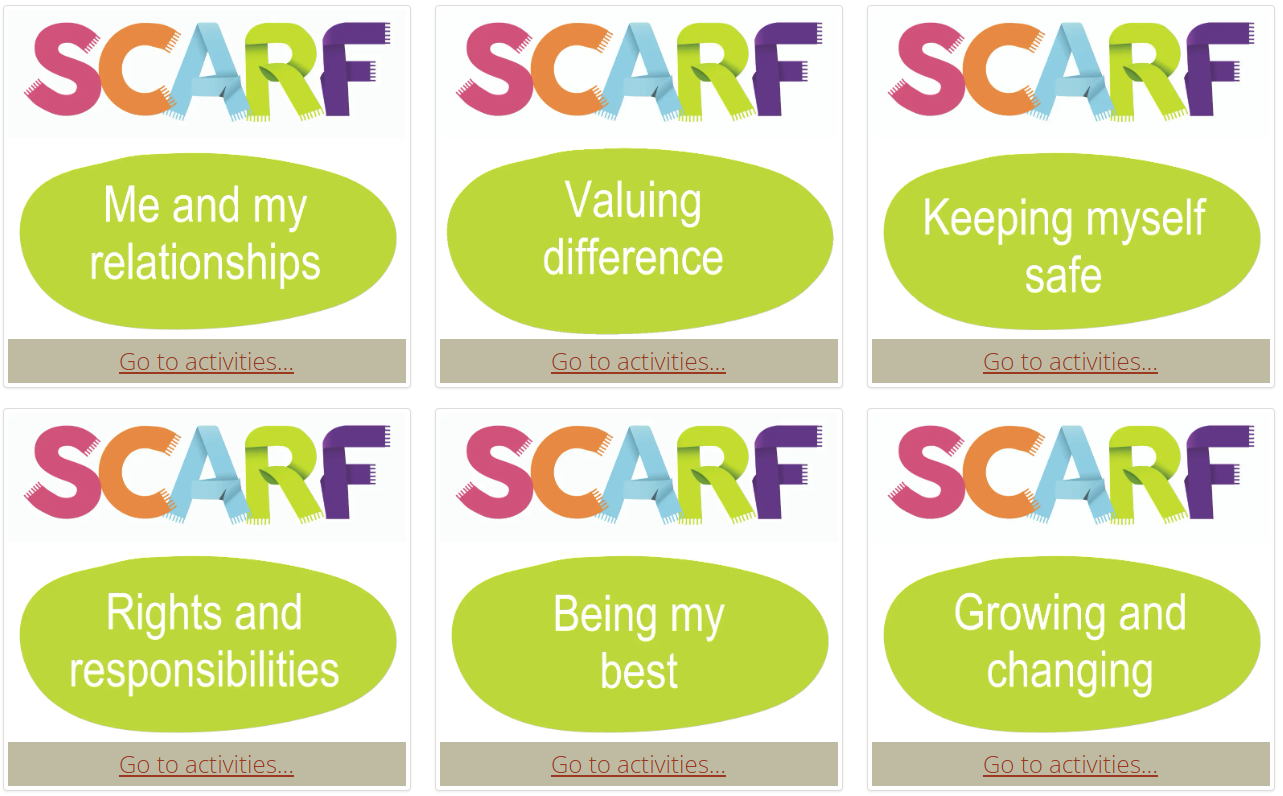
The core themes have been broken down into six main areas that are revisited each year to ensure children's knowledge and understanding is secure. These areas are:
- Me and My Relationships
- Valuing Difference
- Keeping Myself Safe
- Rights and Responsibilities
- Being my Best
- Growing and Changing
High quality PSHE is not only taught as a specific subject, but embedded in our ethos and Hazelwood curriculum to ensure children are given wide perspectives to the diverse society that we live in today.
RSHE
Our PSHE curriculum demonstrates appropriate subject knowledge, skills and understanding to fulfil the statutory duties of the Relationship Education, Relationship and Sex Education (RSE) and Health Education curriculums.
Statutory Guidance
In July 2025, the DfE issued new guidance for schools outlining statutory Relationships Education from September 2026.
The guidance includes Relationships Education for Primary Schools, Relationships and Sex Education for Secondary Schools and Health Education for all schools.
Consultation
Schools are required to regularly consult with the school community regarding the teaching of RSHE.
At Hazelwood, our most recent consultation took place in January 2026 which involved a parent survey for all parents and carers of children at the school.
The results and analysis of the survey, including original letters and additional comments can be found below.
RSHE Policy
You can download our RSHE policy here: RSHE Policy
RSHE Curriculum
Our RSHE Curriculum using the leading UK provider of relationships, health and wellbeing education, SCARF, has been written based on international evidence of what age-appropriate RSHE is considered to be. Click here for more details
SCARF are members of the Sex Ed Forum and wrote their scheme of work alongside their curriculum planning tool. Click here to access the Sex Ed Forum
Information for parents about the SCARF curriculum can be found on the SCARF website: https://www.coramlifeeducation.org.uk/family-scarf
SCARF have also produced a FAQ document for parents, which can be downloaded here.
We teach our RSHE units of our PSHE curriculum during one 'Growing and Changing Week' in the Summer Term. Every year we hold parent information sessions so that parents can see all of the lessons that we teach and resources we use as well as an opportunity to discuss the content and ask questions.
If you have any questions about any lesson, please do not hesitate to contact the class teacher or Miss Powell who will be happy to go through the lesson/resources with you.
Whilst children in Early Years do not have formal lessons, they do talk about their families and other families within their curriculum and the teachers will take a similarly inclusive approach and acknowledge that some families look different to others in an age-appropriate way.
Sex Education
It may be obvious to state, but very little of the SCARF programme is non-statutory sex education.
At Hazelwood, we interpret sex education to mean some "choice-related" elements of puberty, conception, reproduction and birth. All of these themes, with the exception of masturbation and conception, are statutory and included in either Health Education or National Curriculum Science.
Some parents are understandably confused about what this - particularly as this is a change to how adults were taught at school, but you will see from the guidance, documents and plans that it is clear.
At Hazelwood, following the statutory guidance and responses from parents in our consultation in January 2026, we deliver non-statutory Sex Education lessons on masturbation in Year 5 and Conception (making a baby) in Year 6.
As always, we will be letting parents know the content of these lessons and there will be an opportunity to view the resources.
Right to withdraw
Parents do not have the right to withdraw their child from any part of the statutory curriculum, other than the non-statutory Year 6 Sex Education lesson and one part of the Year 5 series of lessons.
Useful Resources
Below are some helpful resources to support you with talking to and supporting your child at home:
SCARF AT HOME
The SCARF at Home activities are designed to match children's needs and skills at different ages. Just click on the link below that matches your child's age.
Helping your children understand changes at puberty
The following information and resources are designed to support you in helping your child at each stage, to become more aware of themselves and others, to help them navigate the emotional and physical changes that take place during puberty, as well as learning about sex in the context of safe, loving relationships.
Please click here to access suggested reading lists and videos to support your child at home.